Delivering real-world cycling innovation in the South of Scotland
Edinburgh Napier University
The Challenge
Mountain biking is changing fast. Bikes are more advanced, trails are more demanding, and riders are pushing harder than ever.
But here’s the gap: we don’t fully understand what’s happening in the body when riders interact with the trail and the bike.
That matters - not just for performance, but for fatigue, injury prevention, and the next generation of cycling products.
The Approach
Edinburgh Napier University is tackling this challenge in a simple but powerful way: put students, researchers and industry in the same problem space and test ideas in the real world.
Not just in a lab.
Not just on paper.
But out on the trails of the South of Scotland.

What This Looks Like in Practice
1. Testing the Ride Itself
One student project asked a surprisingly complex question:
What does tyre pressure actually do to your body?
To answer it, the team combined:
- Physiological testing
- Real-world riding data from Glentress trails
- Analysis of how vibration affects the immune system
This wasn’t theoretical. It directly connects to how riders feel on the bike and how equipment can be designed to reduce fatigue and improve comfort.

2. Connecting the Rider to the Bike (Industry Collaboration)
In a second project, things went further.
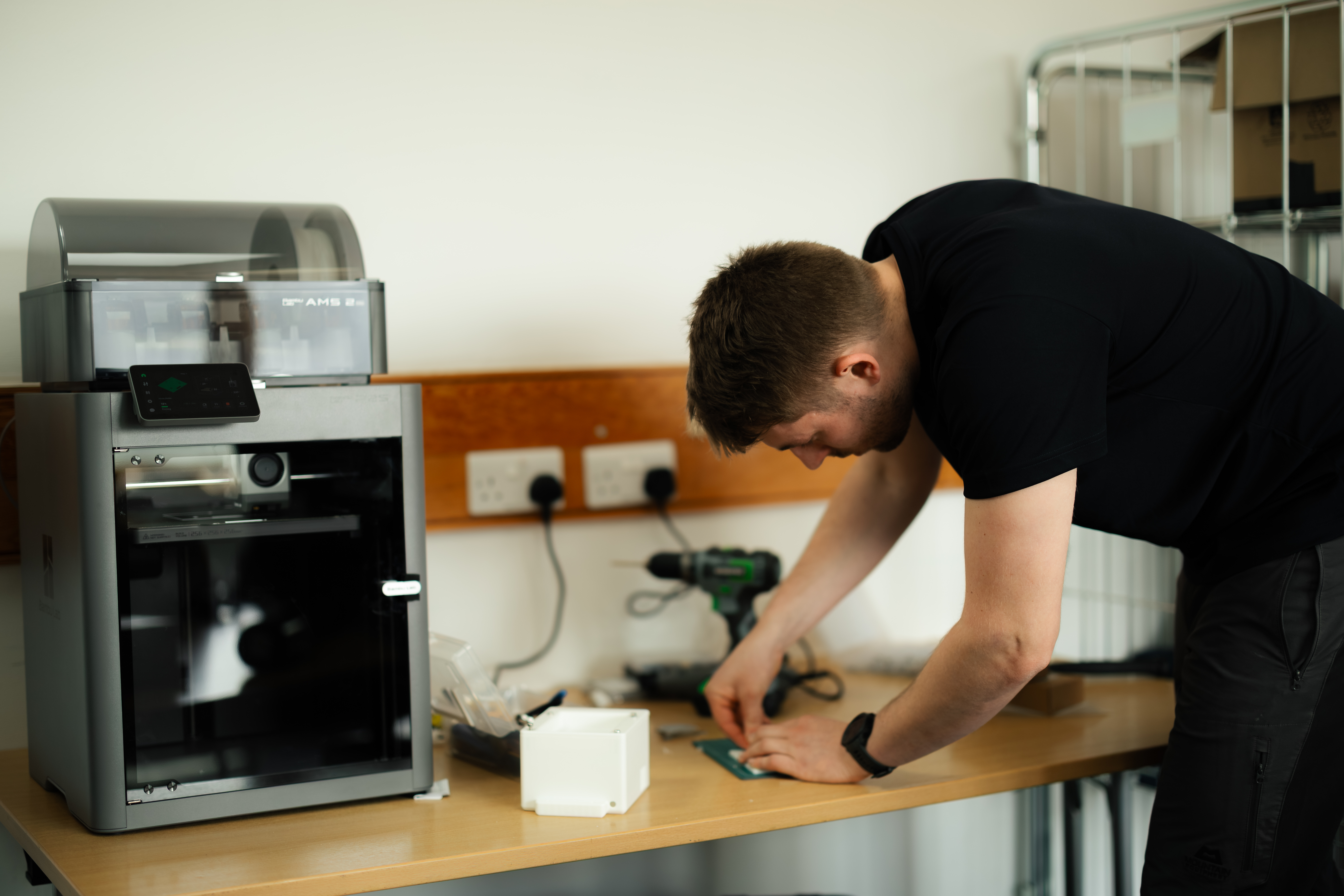
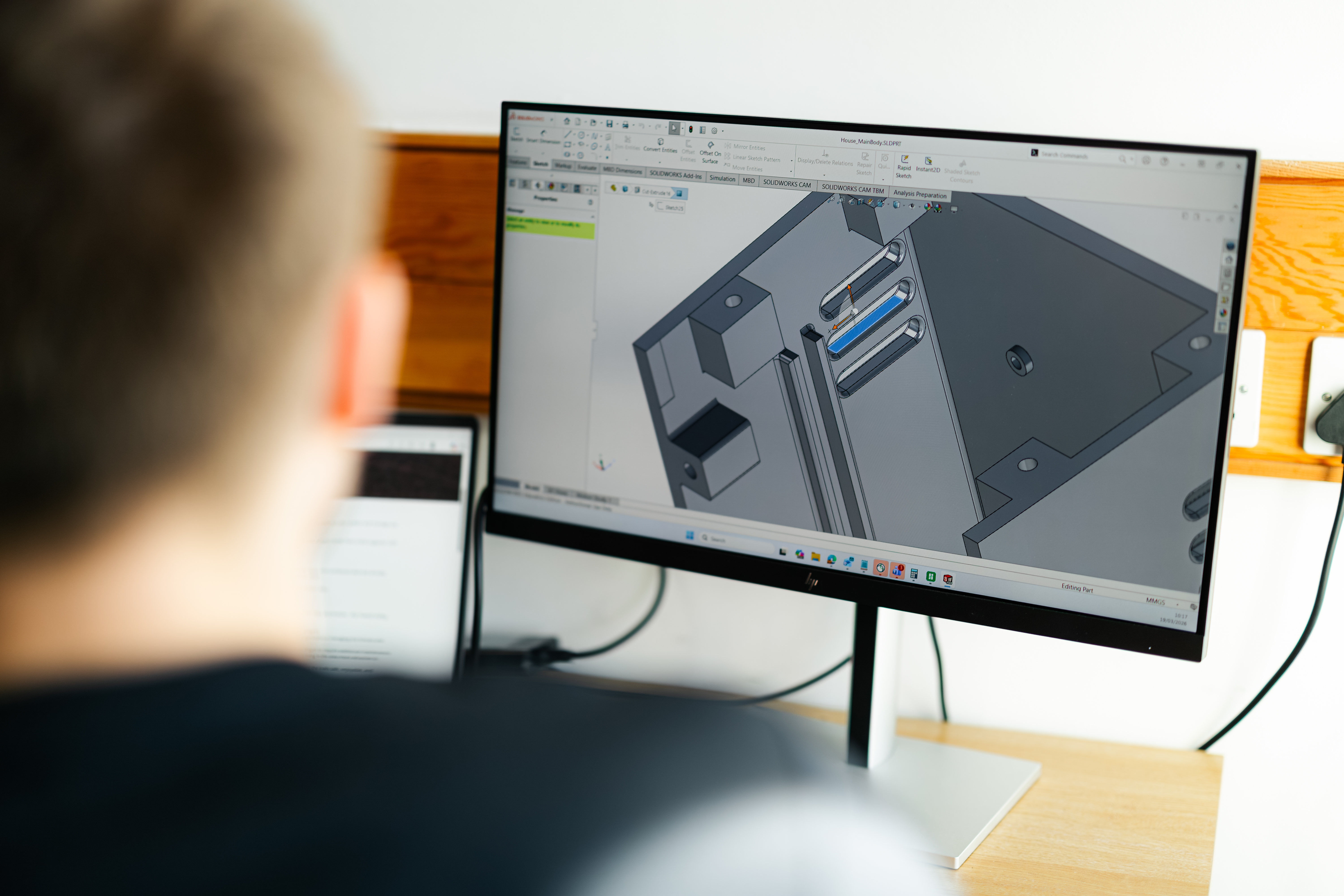
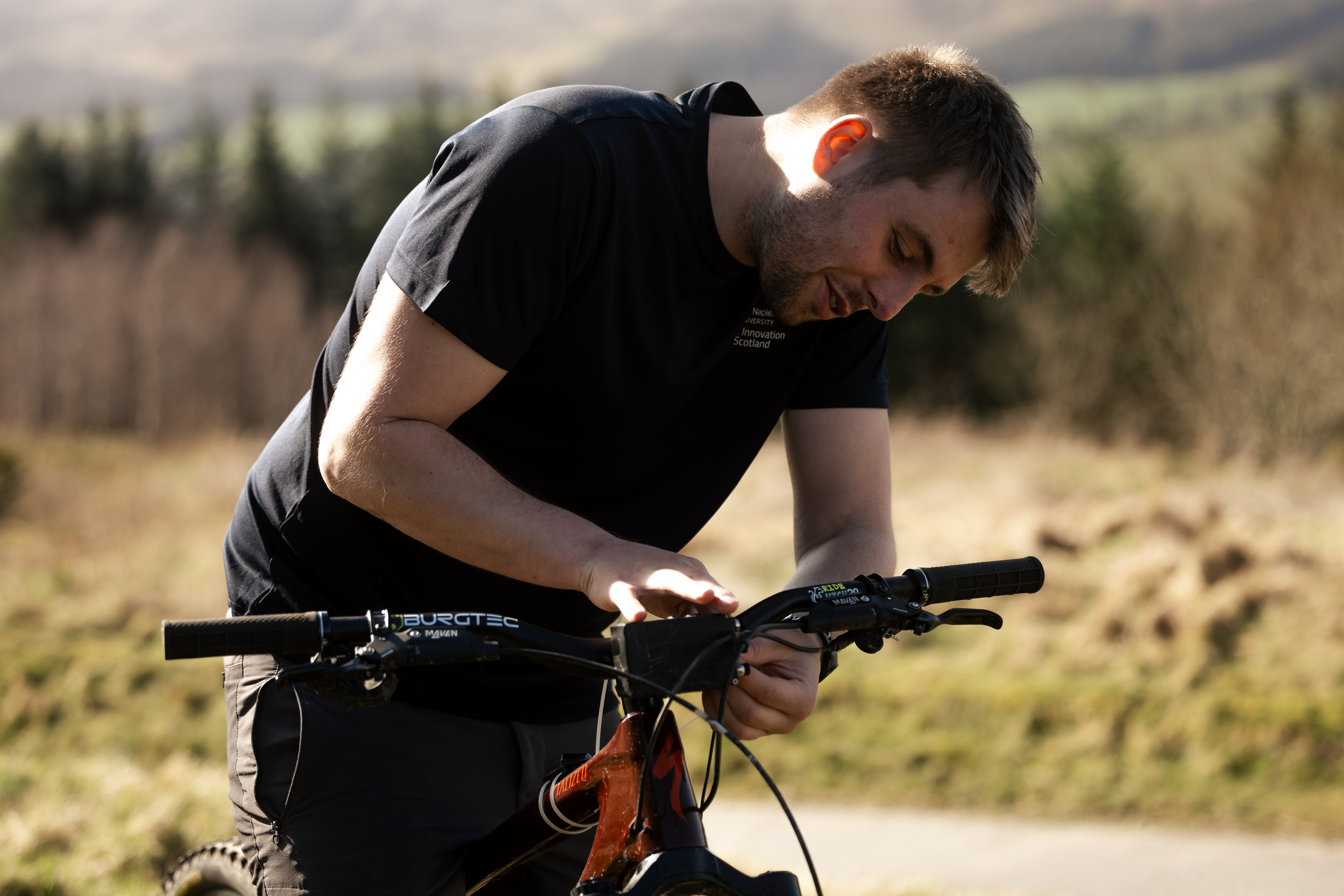
Working with industry partner Pademelon, students helped build a system that links what the bike feels with what the rider feels at the exact same moment.
They combined:
- EMG sensors measuring muscle activation and fatigue
- A steering damper capturing trail feedback and control inputs
- Real-time data syncing between rider and bike
The result?
A new kind of dataset that shows, in real terms:
- When riders tense up
- How they respond to rough terrain
- What’s actually happening when control starts to break down
This is the kind of insight product designers rarely get and it’s happening here, in the South of Scotland.
Why It Matters
This work is doing three important things at once:
1: Solving real industry problems
Companies get access to data they can actually use, helping design better bikes, components and riding experiences.
2: Building a testbed in the South of Scotland
The region becomes more than a riding destination.
It becomes a place where products are tested, ideas are proven, and innovation happens in real conditions.
3: Developing future talent
Students aren’t just learning they’re contributing.
They’re leaving university with experience in:
- Advanced measurement tools (like EMG)
- Data analysis and sensor integration
- Working directly with industry
What’s Been Delivered
- Multiple live research projects aligned to industry needs
- New integrated datasets linking rider physiology and bike performance
- Proven trail-based testing capability
- Direct collaboration with cycling industry innovators
- High-quality visual content (video + imagery) supporting engagement and storytelling
The Bigger Picture
This is exactly what the future Mountain Bike Innovation Centre (Bike Innovation Scotland) is being built to scale.
Projects like these are early examples of what’s coming next:
- A Trail Lab, where data collection happens in real riding environments
- A Human Factors Lab, linking performance, health and design
- A pipeline where students, researchers and businesses work together continuously
The Impact
Put simply:
- The South of Scotland is becoming a living laboratory for cycling innovation
- Industry gets faster, better insight into performance and design
- Students become part of the innovation system, not just observers
- And the region strengthens its position as a globally relevant hub for cycling expertise
This is creating a growing ecosystem where:
ideas are tested on the trail, shaped by real users, and turned into real-world innovation